
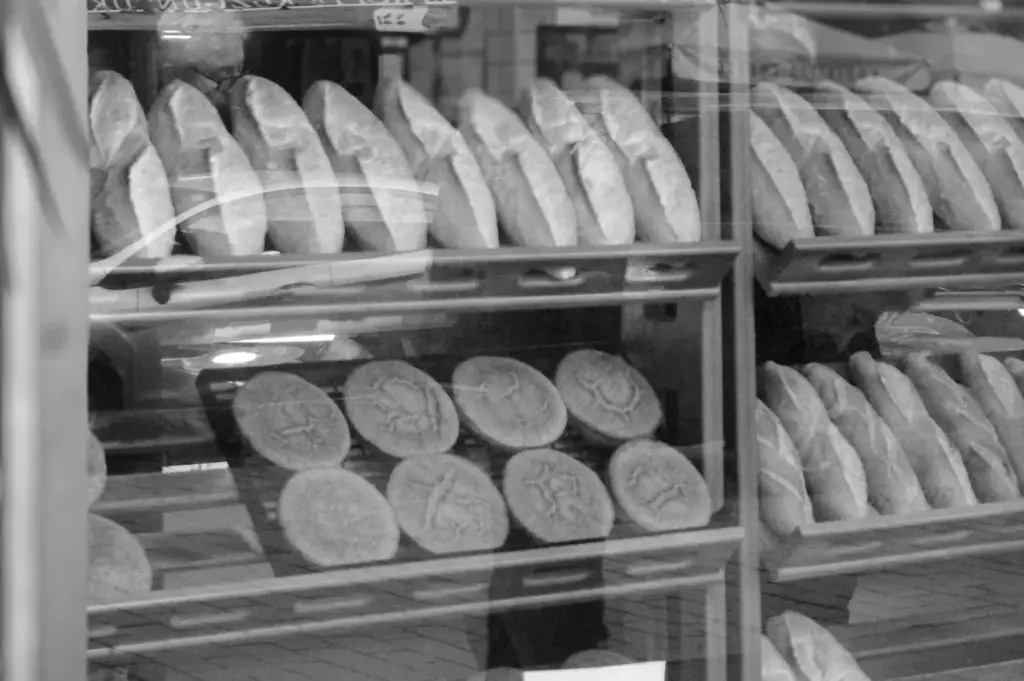
I have always felt that old-school bakeries carry a different kind of comfort. They may not have the cleanest branding or the most polished displays, but they have something many modern cafes work hard to create; a sense of familiarity. The smell of buttercream, soft bread, pandan cake, egg tarts, banana pie, sausage buns, and old-fashioned sponge rolls can bring people back to childhood faster than any marketing campaign.
But nostalgia alone is not enough to keep a business alive.
Across Singapore, traditional bakeries are facing a difficult question. How do they stay relevant when customer habits have changed so much? Younger diners discover food through Instagram, TikTok, Google reviews, and delivery platforms. They expect clearer packaging, easier payment, updated opening hours, and products that photograph well. At the same time, older customers want the bakery to remain the same. They return for the exact taste they remember.
That tension is not easy to manage. The challenge for traditional bakeries is not simply to modernise; it is to modernise without losing trust.
Some bakeries are finding a second life through branding. A refreshed logo, better packaging, clearer menus, and a cleaner shopfront can make an old business feel more approachable to a new generation. This does not mean turning every heritage bakery into a lifestyle cafe. Sometimes, small changes are enough. A proper website, updated social media page, or simple online ordering system can help customers find the bakery more easily. For shops that have depended on word of mouth for decades, digital visibility can make a real difference.
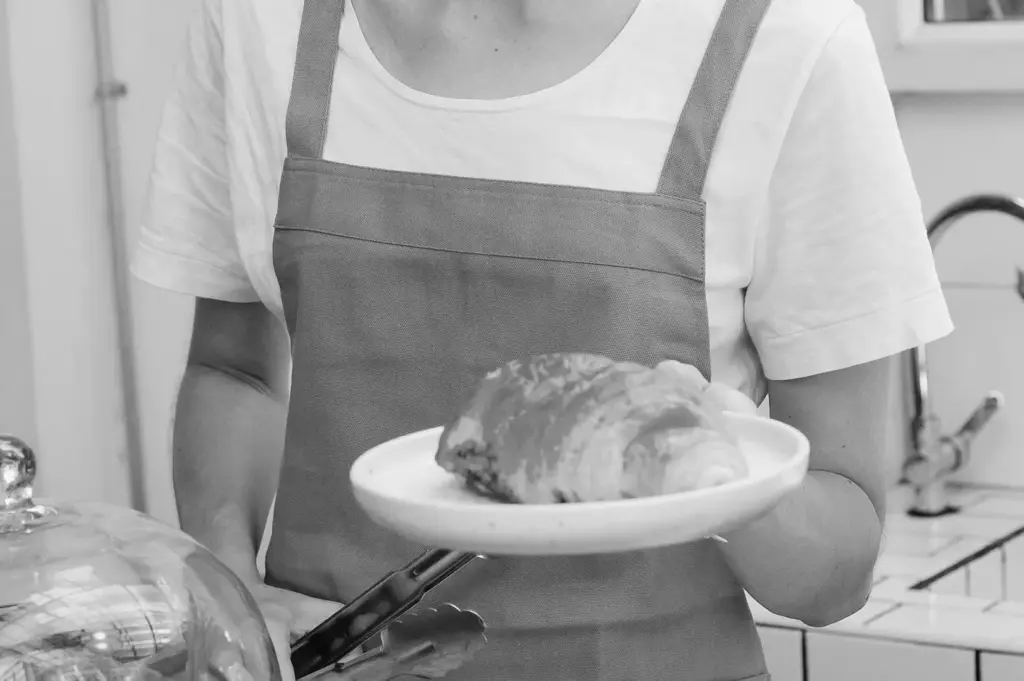
Younger management is also changing the way these bakeries operate. Children or grandchildren taking over the family business often understand both sides. They know the recipes matter, but they also know that survival requires new habits. They may introduce cashless payment, redesign boxes, improve product photography, or test seasonal flavours. Some add items like matcha rolls, black sesame cakes, sourdough-inspired loaves, or mini versions of old favourites. If done carefully, these updates do not erase the bakery’s identity. They widen its reach.
Still, the heart of a traditional bakery must remain the product. A bakery cannot survive on nostalgia if the bread is dry, the cake is careless, or the service feels tired. The old favourites need to stay consistent. The buttercream cake should still taste like the one people remember. The kaya bun should still feel worth buying. The egg tart should still make someone want to return. Modern branding may bring younger customers in, but the food must give them a reason to come back.
There is also a wider cultural value here. Traditional bakeries are part of Singapore’s everyday food memory. They are tied to birthdays, school snacks, tea breaks, office treats, and family visits. When one closes, we lose more than a shop. We lose a small record of how people used to eat, celebrate, and gather.
For me, the most encouraging bakeries are the ones that understand adaptation as care. They are not changing because the past is unimportant. They are changing because they want the past to remain accessible. That is an important difference.
A second life for traditional bakeries does not mean becoming something completely new. It means making enough room for the next customer, the next generation, and the next memory.
Visit Food Reporter SG by clicking here for more stories on Singapore’s heritage food, traditional bakeries, and the people keeping local food memories alive.